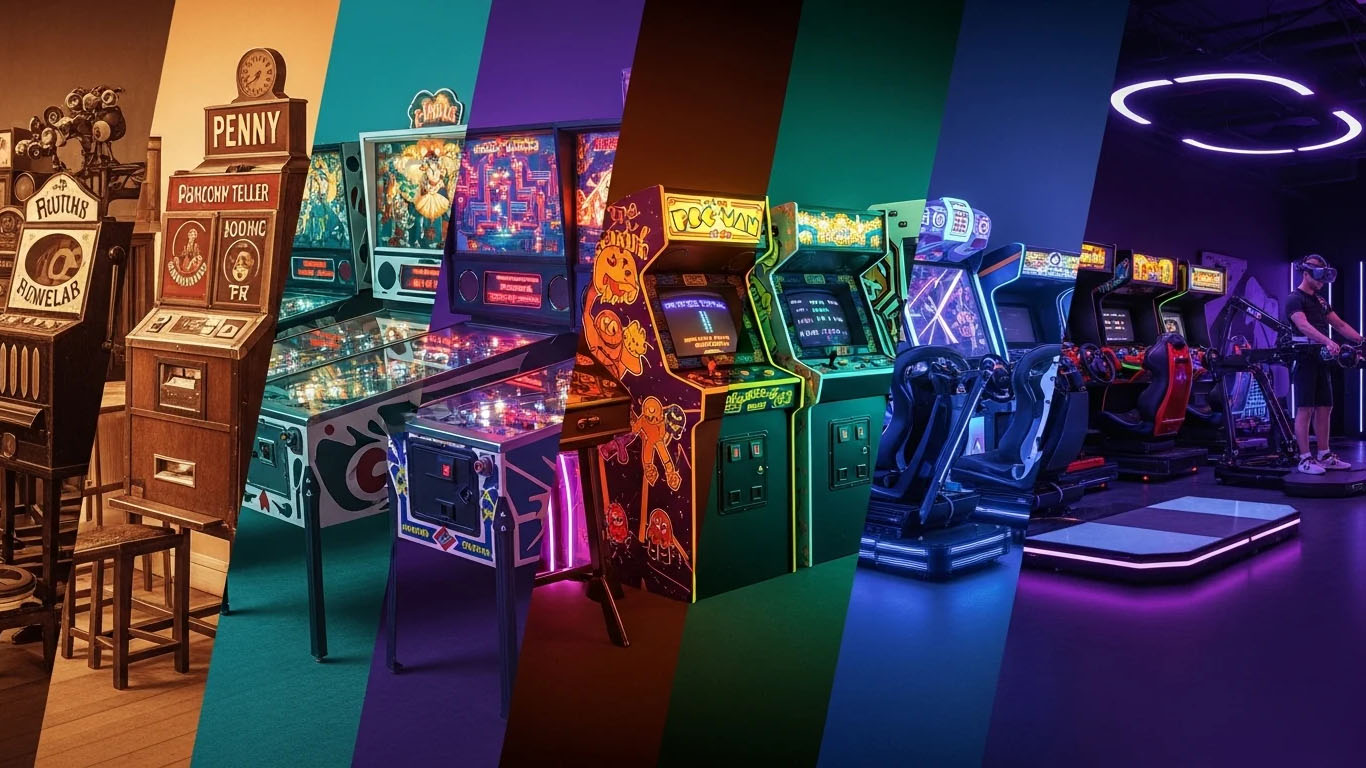
If you grew up in the ’70s, ’80s, or even the ’90s, you probably remember that unmistakable sound: the chaotic symphony of buttons being mashed, coins clinking, machines chiming, and someone yelling, “I got next!” Arcades weren’t just places to play games — they were social hubs, teenage battlegrounds, and neon-lit temples of pixel glory.
But the story of arcades isn’t a straight line. It’s a roller coaster — a dramatic rise, a painful fall, and one of the most unexpected comebacks in entertainment. And today, arcades are not only alive… they’re thriving in ways no one predicted.
Let’s take a trip through time.
The First Rise: When Arcades Ruled the World
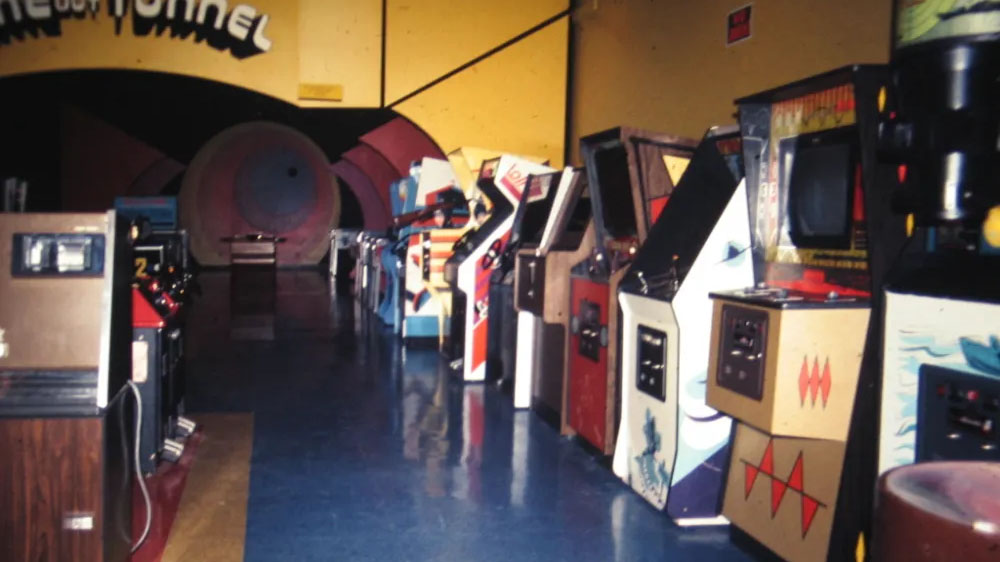
Arcades first exploded in the late ’70s with games like Space Invaders, Asteroids, and Pac-Man. Suddenly, every pizza shop, mall, roller rink, and grocery store had a glowing corner filled with machines begging for quarters.
Then came the Golden Age of Arcades — roughly 1979 to 1984 — a time when game developers were throwing wild ideas at the wall and somehow all of them stuck. Donkey Kong, Defender, Galaga, Robotron 2084, Dragon’s Lair, Tron… the list goes on.
Some fun facts from the era:
- Pac-Man became more recognizable than Mickey Mouse in several surveys.
- Arcades were pulling in more money than pop music and Hollywood movies combined.
- Kids would literally line up behind machines holding a quarter between their fingers like some sort of weird plastic coin semaphore.
Arcades were the place to be. They felt futuristic — electric — rebellious — and wildly social. You didn’t just play games; you watched others, learned strategies, made friends, and battled strangers.
But like any boom, it came with a bust.
The Fall: When Home Consoles Changed Everything
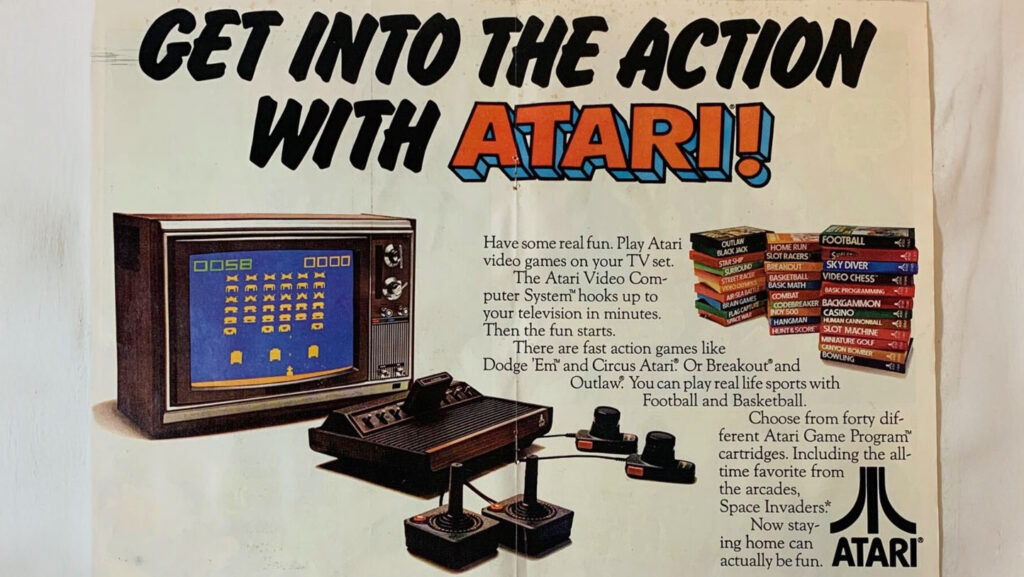
By the late ’80s, arcades hit turbulence. The first blow? Oversaturation.
If a business had a wall, someone tried to bolt a cabinet to it. Competition got fierce, quality dipped, and too many forgettable games flooded the market.
But the knockout punch came from an unexpected direction: living rooms.
Nintendo, Sega, and eventually Sony brought the arcade experience home — often cheaper, sometimes better, and definitely more convenient. Why drive to an arcade when Mario was waiting in your bedroom?
By the mid-90s:
- Iconic arcade chains were closing.
- Malls were emptying out.
- Kids were swapping quarters for controllers.
- Arcades were becoming relics of a fading era.
A few genres kept the flame flickering — Street Fighter II, Mortal Kombat, Dance Dance Revolution, and some big showpieces like Daytona USA and Time Crisis. But overall, the arcade scene looked like it was headed for the same museum wing as VHS tapes and floppy disks.
And then… something incredible happened.
The Second Rise: Arcades Evolve and Return Stronger Than Ever
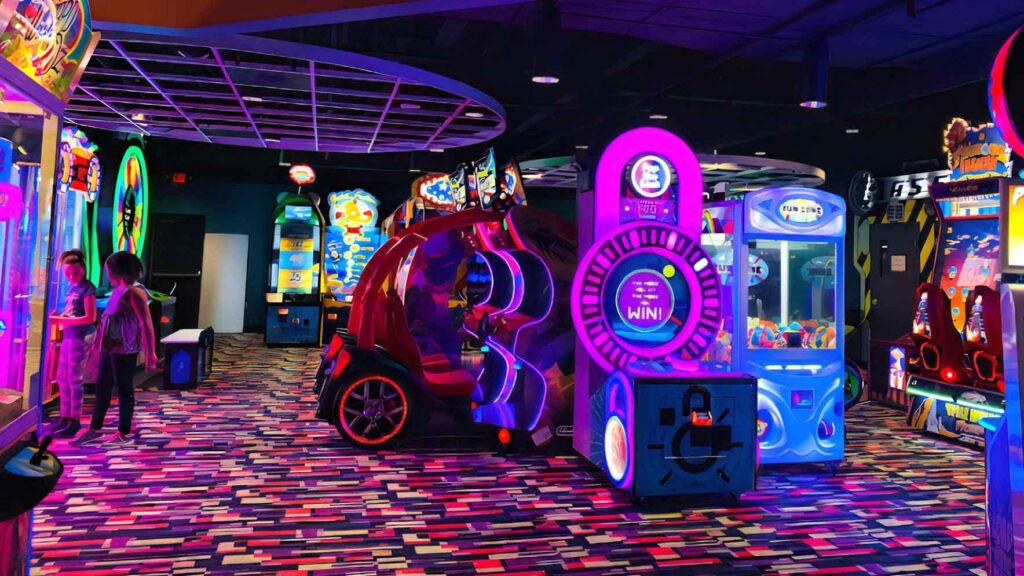
Around the early 2010s, arcades began quietly reinventing themselves — and by the mid-2020s, the resurgence was unmistakable. Why? Because modern arcades tapped into something truly powerful:
1. Nostalgia Done Right
Millennials and Gen Xers grew up and realized: we miss this.
Hanging out, competing, laughing, reliving childhood memories — arcades offer what home gaming can’t: shared energy.
2. Free-Play and Membership Models
Gone are the days of running out of quarters at the worst possible moment.
Flat-rate and unlimited-play arcades make visits predictable, affordable, and addictively fun.
3. Arcades Became Hangouts, Not Just Game Rooms
Food, drinks, music, events — modern arcades are social experiences.
Trivia nights, karaoke nights, cosplay events, tournaments — arcades became community centers again.
4. Retro + Modern = Irresistible
You can play Galaga one minute and StepManiaX the next.
Or pinball, rhythm games, drivers, light gun games — today’s arcades are both museums and playgrounds.
5. The Rise of Enthusiast Operators
Many of today’s arcades are run by people who love arcades — collectors, hobbyists, and fans preserving gaming history.
(And yes, this is where The Arcade Database shines, helping players find them.)
Why Arcades Are Back for Good
People are craving experiences that get them off the couch and into real life. Arcades deliver that in spades. They’re social, energetic, creative, nostalgic, and sometimes downright chaotic in the best possible way.
Arcades aren’t just surviving — they’re rising again, bigger and brighter than most people thought possible.
And with new arcades opening every year, plus classics being restored and preserved, this comeback story is far from over.
Looking for an Arcade Near You?
The Arcade Database was built for exactly this moment — to help gamers find arcades everywhere, from massive retro halls to tiny hometown gems. The story of arcades keeps rising… and now it’s easier than ever to explore it.

Author: ArcadeDB
ArcadeDB