
Walk into a mall, a trendy “clawcade,” or a Japanese-style entertainment center and you’ll hear it—the faint whirr of gantries, the clack of a joystick, the soft thud of a plush prize tumbling into a chute. After years of “are these things rigged?” skepticism and a pandemic that shuttered venues, claw machines are having a bona-fide revival in the United States. New arcades dedicated almost entirely to cranes are opening coast to coast; major operators are packing their floors with rows of brightly lit UFO catchers; and adults—yes, adults—are lining up to try for everything from anime plush to luxury handbags.
Why now? A perfect storm of culture, tech, and business
Three forces are powering the resurgence:
1. Pop-culture tailwinds & the rise of the “kidult.” Adult collectors and fans are spending more on toys and collectibles, making plush- and figure-filled crane games feel timely and desirable.
2. Japanese-style arcades and exclusive prizes. Chains like Round1 have expanded rapidly in U.S. malls, often with 100+ Japanese crane games per site and a steady rotation of exclusive prizes. The emphasis on fresh, winnable merch has trained a new generation of players.
3. Operator investment & consolidation. In 2024, Japanese arcade powerhouse GENDA moved to acquire National Entertainment Network (NEN), a giant in U.S. crane and vending placements across thousands of locations such as Walmart and Kroger. That deal signals long-term commitment to cranes in everyday spaces.
Together, these trends reframed the claw machine—not as a dusty mall relic, but as a constantly refreshed, social, and modern game of “just one more try.”
The “clawcade” era
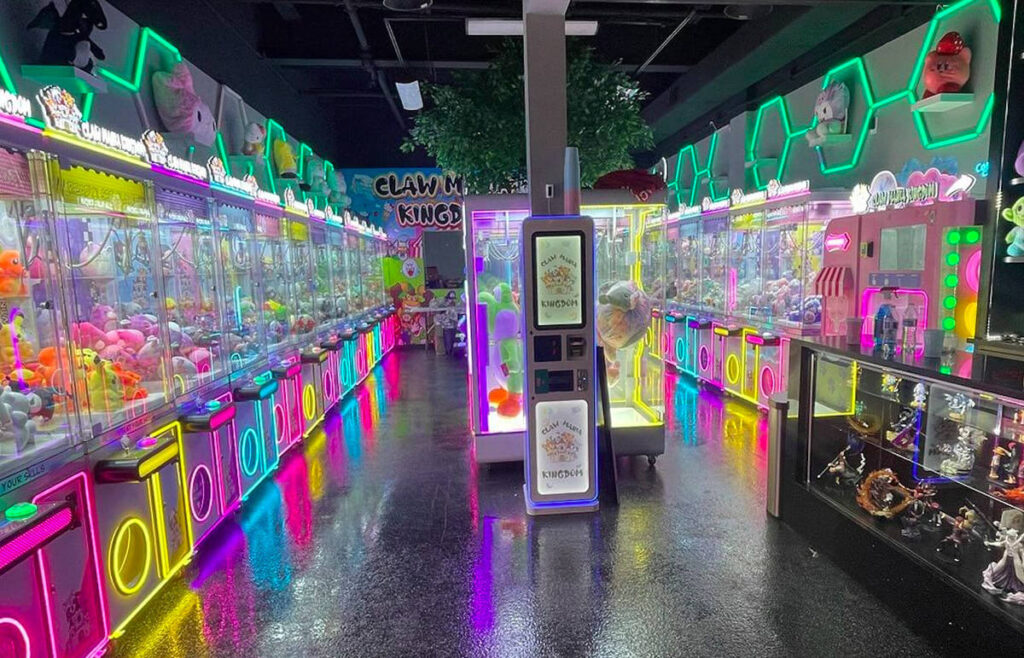
The word clawcade—an arcade that’s mostly or entirely claw machines—has entered the U.S. vocabulary thanks to local news coverage, and the vibe is unmistakable: moody lighting, aisles of UFO catchers, Instagrammable prizes, and signage that suggests the machines are meant to be won, not merely fed.
The concept is spreading quickly. In many cities, dedicated claw arcades are debuting with event-style attractions, party packages, and walls of kawaii prizes. The pitch is simple: better prizes, gentler setups, and a dopamine-rich experience that families and young adults will share on social media.
From “rigged” to “winnable”: what changed inside the box
A decade ago, crane machines had a reputation for being “rigged.” Operator manuals and industry insiders confirmed that payout regulators were common—claws would only grip tightly enough to win part of the time.
What’s changed isn’t that payout control disappeared—it’s that machine design, prize strategy, and floor mix evolved:
- Smarter, more transparent controls. Modern systems let operators define target payout ranges, then automatically adjust grip strength to keep play sustainable and winnable.
- More approachable setups. Japanese-style UFO catchers emphasize finesse and progress, not brute luck. Prizes are positioned in ways that make progress feel visible.
- Clearer differentiation. Many floors now mix payout-regulated cranes with “100% skill” prize merchandisers for higher-end items. These advertise pure timing-based gameplay at higher per-play prices.
The result for players: you see real winners around you, and when you understand a cabinet’s “language,” you feel like you’re getting better—which keeps you coming back.
The prize economy: from jelly cats to Hermès
Prize curation is where the modern claw really shines. At one extreme, family entertainment centers keep plush, seasonal characters, and licensed tie-ins. At the other, boutique “luxury claw” lounges have flirted with jaw-dropping loot—from AirPods Max to Chanel wallets to an actual Hermès bag.
Between those poles sits a massive sweet spot: anime figures, squishables, and plush that speak to the adult collectors driving the toy/collectibles category. If adults are already buying fandom merch, a $2–$5 crane attempt for an exclusive plush feels like both entertainment and shopping.
Malls needed a new anchor—crane games obliged
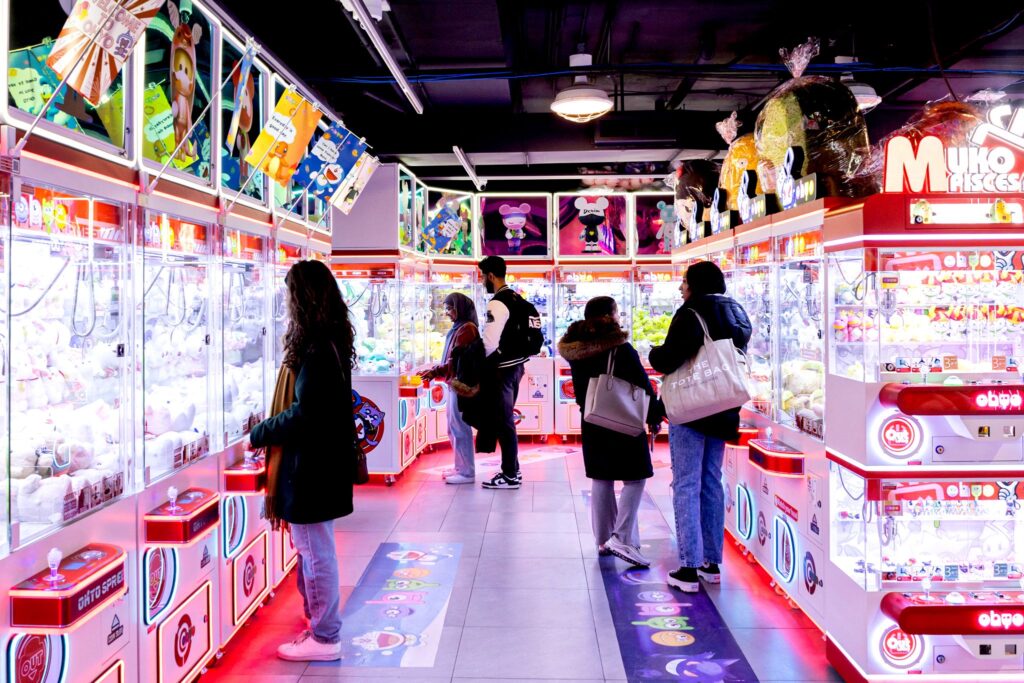
Round1’s U.S. strategy has been to take over large, underutilized mall spaces and turn them into entertainment anchors—bowling, karaoke, and rows of crane games. Landlords love the foot-traffic halo; guests love the one-stop hangout experience.
Outside the mall, grocery and big-box stores remain a quiet juggernaut. Companies like NEN service cranes across thousands of stores, creating everyday touchpoints for casual plays—each a tiny funnel into the larger crane ecosystem.
Social media taught America how to play
YouTube and TikTok creators built a cottage industry around “how to beat the claw,” live winning sprees, and prize showcases. That content demystified mechanics, normalized spending multiple tries, and made cranes shareable entertainment long after you’ve left the mall. The culture loop—watch a win, try a win, post your win—has been rocket fuel for the format.
Yes, there are still online claw machines
A parallel trend is the rise of remote-control claw apps, which let you pilot real machines via livestream and ship prizes to your door. At their peak, these apps proved that crane play had a place even outside physical arcades.
The not-so-fun part: patchwork rules and oversight
Because cranes sit at the intersection of amusement and prize redemption, they’re regulated differently by state:
- New Jersey certifies claw machines under its Legalized Games of Chance Control Commission.
- Ohio brought arcade skill games—including cranes—under its Casino Control Commission in 2018.
- California law distinguishes legal amusement machines from illegal slots, but ongoing reviews may affect operations.
For operators, the best practice is clear: treat cranes as regulated equipment, keep records, and maintain fair, winnable setups.
Under the hood: how modern cranes balance fun and fairness
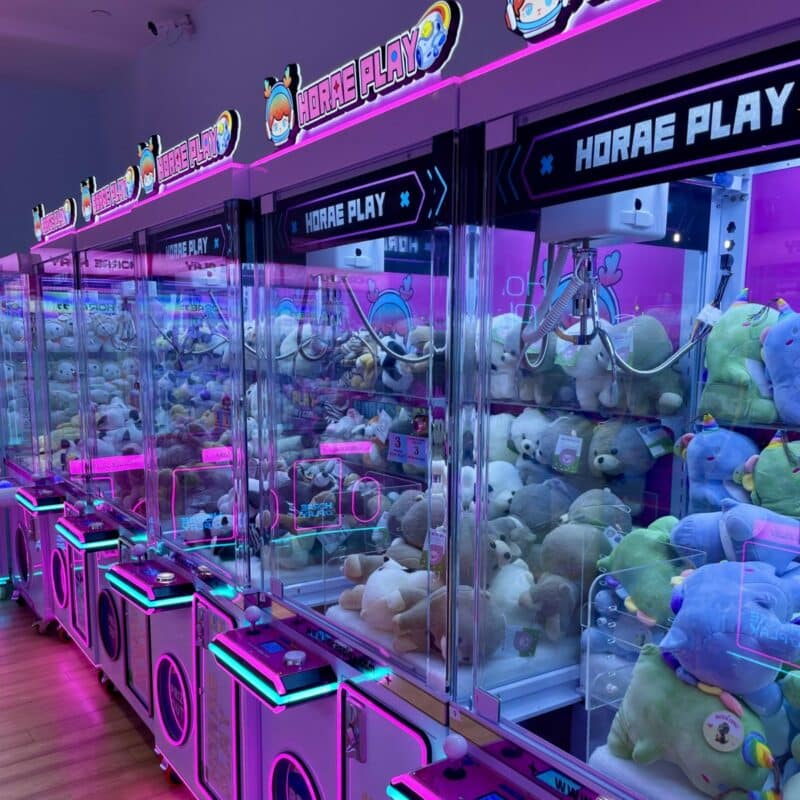
Modern cabinets calculate a target payout percentage based on prize cost and vend price, then use sensors to adjust claw strength automatically. The goal isn’t to prevent wins—it’s to spread them out so the game stays both engaging and profitable.
At the same time, premium “100% skill” cabinets remove payout regulators entirely and rely on pure timing precision to snag visible, high-value items. Locations that mix both types tend to feel fairer to players.
How operators win (ethically)
A player-friendly crane strategy looks like this:
- Stock what people want right now. Rotate prizes aggressively and spotlight exclusives.
- Make progress visible. Keep playfields neat and prizes positioned for visible progress.
- Advertise the skill. Tips and signage build trust and encourage repeat plays.
- Respect local rules. Label machines clearly and comply with prize value limits.
- Use data, not hunches. Modern machines provide diagnostics—operators who listen to them see better returns.
The mall-to-Main-Street future
Where is this all headed?
- More Japanese influence. Expect more UFO catcher aesthetics and exclusive prizes in suburban America.
- Everyday touchpoints get smarter. Grocery and retail cranes will see better lighting, prize mixes, and presentations.
- Events and parties. Claw-first parties and seasonal prize drops will become more common.
- Hybrid digital loops. QR codes and apps may soon bridge physical crane play with online challenges and prize shipping.
Are they fair? A practical answer for players
Fairness depends on setup, settings, and expectations. If a machine is tidy, prizes are winnable, and you see real winners nearby, odds are you’ve found a fair setup. If it’s labeled “skill,” treat it like a carnival challenge—tough, but reproducible when mastered.
Bottom line
Claw machines are back because the experience got better. Operators borrowed from Japan’s player-first ethos, invested in prize curation, cleaned up presentations, and used smarter controls to create reliable delight instead of rare miracles. Adults rediscovered the joy of a small, silly win. Whether you’re chasing a limited-run plush or shooting for a high-end flex, the modern crane game has become a social ritual again—one play at a time.
Author: ArcadeDB
ArcadeDB