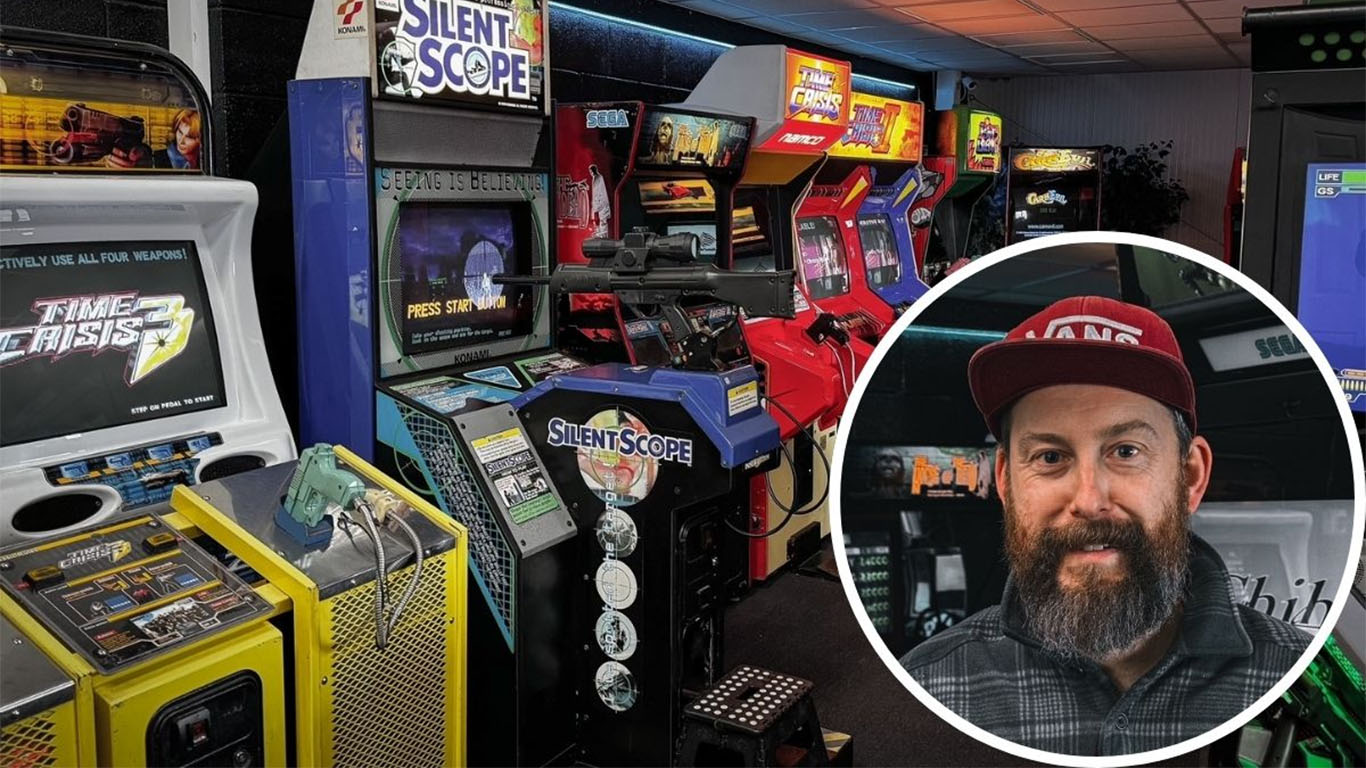
In May 2025, Portland’s FreePlay Gaming Arcade quietly announced it would close just six months after its grand opening. Owner Mike Saxton explained in blunt terms that the venture simply “wasn’t working“, with revenues running far below what they needed to cover bills and keep the doors open.
But the closure wasn’t just about passion colliding with reality, rather it’s also a valuable business lesson about location, pricing strategy, amenities, and perceived value for today’s arcade customer.
Location Matters. This One Wasn’t Ideal.
FreePlay was based in Portland, Dorset, a small town on the Isle of Portland in southwest England. This is a scenic, largely residential and rural area with limited foot traffic, few entertainment anchors, and little in the way of casual destination crowds.
Unlike arcades located in dense urban districts, shopping centers, or entertainment hubs, Portland’s Grove and Easton areas are small villages that serve local residents but see limited tourism or nightlife activity.
For a venue that needs a steady stream of walk-in traffic, that is families, teens, gamers, casual visitors, that’s a tough starting point.
Price Per Hour: A Major Misstep in a Competitive Market
FreePlay charged £10 for an hour of unlimited play, with discounts for longer sessions. At face value that might seem reasonable, but compared to other successful arcades it falls short.
In the contemporary arcade space — especially across the UK and the United States — many free-play venues charge a single entry fee for all-day play. Examples include:
- Time Rift Arcade in Bedford, TX where a flat entry of $12 gets you unlimited play all day on 120+ games, plus drinks and food options.
- Heart of Gaming (London) charges £20 for a full day pass with all games included.
- Some UK retro attractions offer multizone access and unlimited machine play for set time blocks, like £12.50 for a three-hour session with 130+ machines.
Charging per hour in 2025 can feel restrictive (and expensive) for customers who’ve grown accustomed to one-price, all-day gaming. It also complicates operations (how do you track and enforce time?) and dampens spending on ancillary services.
No Food or Alcohol? Lower Revenue Per Head
A common thread among many successful arcades is food and beverage offerings (particularly alcohol for adult audiences). These don’t just add enjoyment; they are major revenue drivers.
Consider how well-known arcades do it:
- Time Rift Arcade pairs games with a substantial craft beer, wine, cider, frozen margaritas and a menu of really great food.
- Many independent arcades host food trucks, bar concessions, party catering, or full kitchens, which greatly improve both customer experience and profit margins.
FreePlay in Portland by all accounts offered game play only. Without food or drink revenue, an arcade relies almost entirely on entry fees, which limits profitability and forces its success to hinge almost entirely on game receipts.
Only 27 Games: Not Enough Variety for the Price
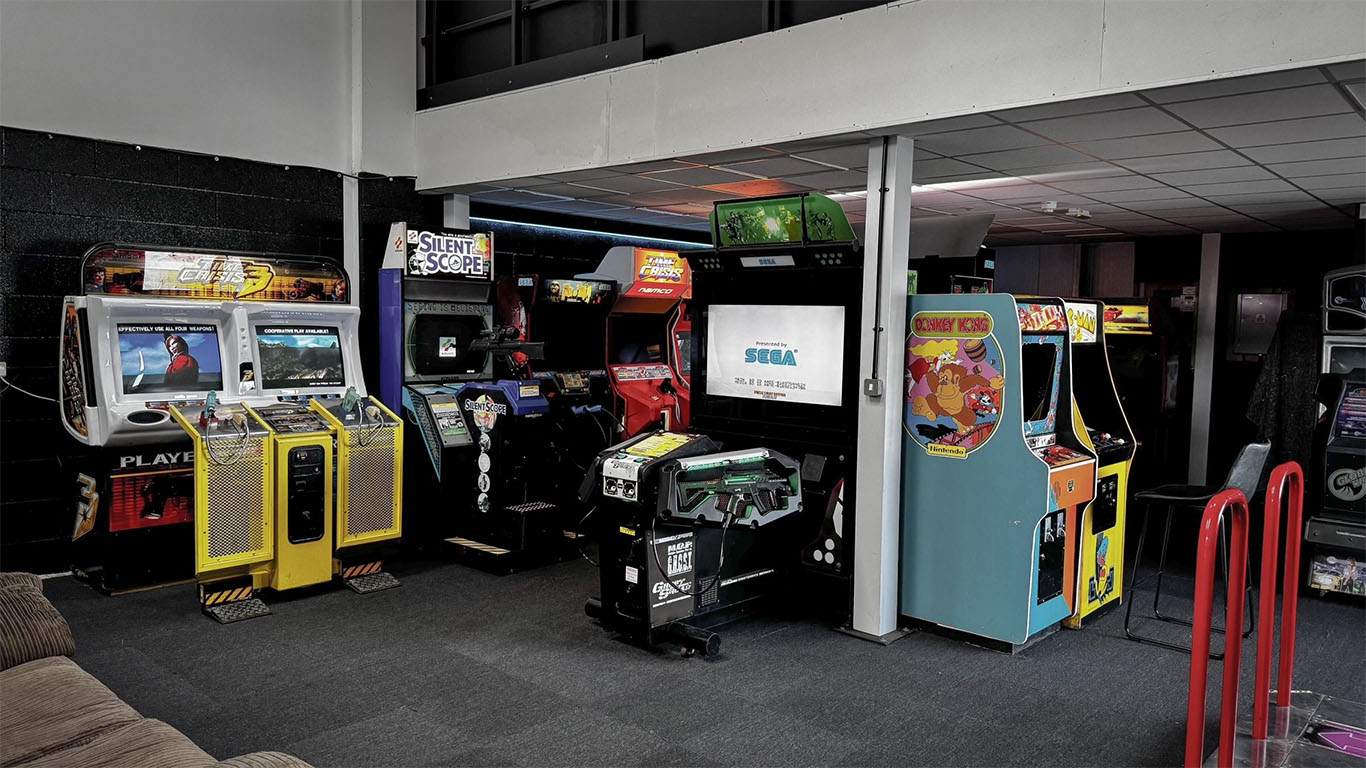
Arcades today succeed by offering quantity and variety, something that makes spending an entire day worthwhile.
By comparison:
- Galloping Ghost Arcade (Illinois) boasts hundreds of games and sells a single day pass (~$20), drawing both locals and destination visitors thanks to its massive collection.
- Time Rift Arcade and Electric Starship Arcade have 120–140+ machines across retro games and pinball.
FreePlay Gaming Arcade’s collection of ~27 cabinets is solid for a private collection, but underwhelming as the centerpiece of a commercial free-play venue where players expect choice and replayability.
When customers are paying premium prices for limited games, many of which they could play at home, online, or even in larger arcades, the perceived value drops fast.
What This Closure Tells Arcade Operators Today
The FreePlay Gaming Arcade closure isn’t just a sad story. It’s a cautionary tale that highlights four big takeaways for anyone planning a modern arcade:
- Choose your location wisely. Foot traffic and entertainment density matter even more than nostalgic appeal.
- Value perception is king. All-day passes with lots of games feel better to consumers than hourly charges.
- Ancillary revenue is essential. Food, drink, parties, and events can make or break the bottom line.
- Size matters. A deeper, broader game selection keeps people coming back and spending longer.
In an era where arcades are resurging with robust business model, from multi-hundred-game free-play museums to bar arcades with craft cocktails… anything less than a compelling value proposition makes it very hard to survive.

Author: ArcadeDB
ArcadeDB